It’s rarely one thing. It’s a leak somewhere between a stranger who needs you and a booked appointment.
Not enough new patients is rarely one problem. New patients come from a funnel: a stranger has to find you, choose you over competitors, and actually reach your calendar, and your existing patients have to return and refer. Too few new patients means one of those stages is leaking. Finding which stage, before you spend more, is the whole fix.
“Not enough patients” is a symptom. The disease is a leak you can’t see.
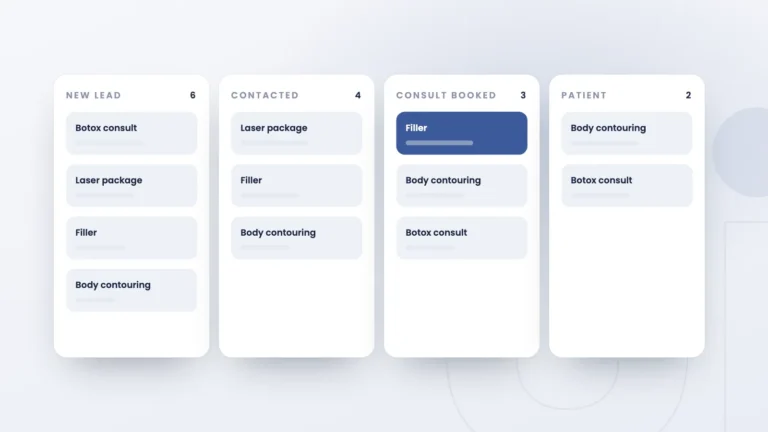
Here is how a new patient actually reaches your chair. A stranger who needs what you offer has to find you, then choose you over the competitors they find next to you, then actually get through to your calendar without falling through a crack, and ideally come back and send their friends. Every stage of that path loses some people. That is normal. A practice with not enough new patients has one stage losing far too many.
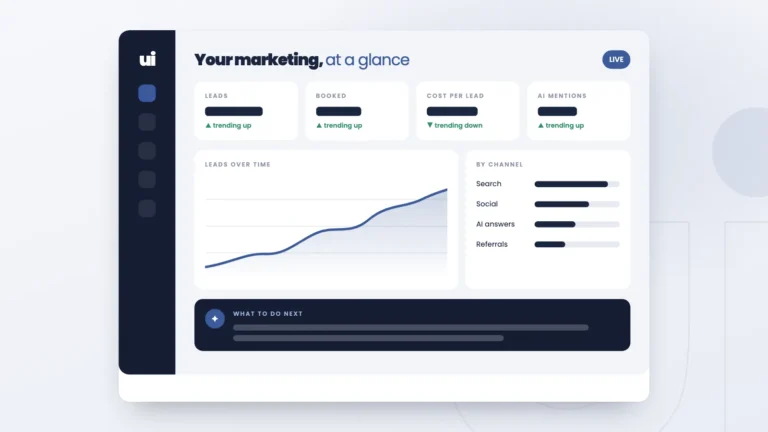
The trap is that the leak is almost never where the panic sends you. The instinct is to buy more ads. But if the leak is that patients find you and pick a competitor, or that the leads you already generate die at the front desk, then more ads just pour more water into the same hole, at a higher water bill. The fix is not more volume. It is finding the leak. Below is the whole funnel, and every stage points to the deeper diagnosis and the service that plugs it.
Six places the funnel leaks
Leak 1: They never find you
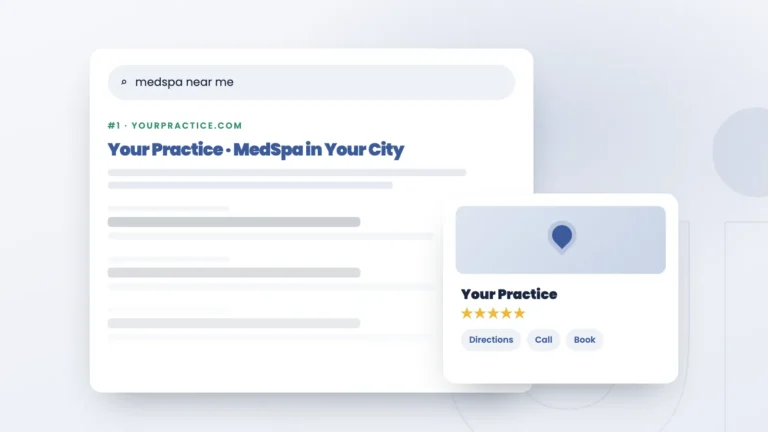
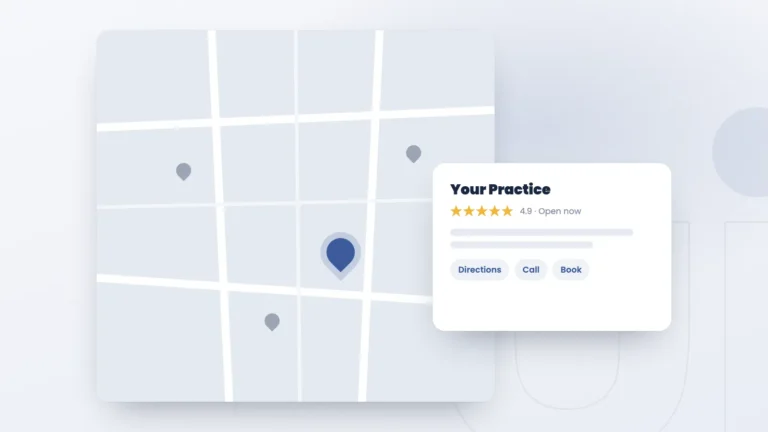
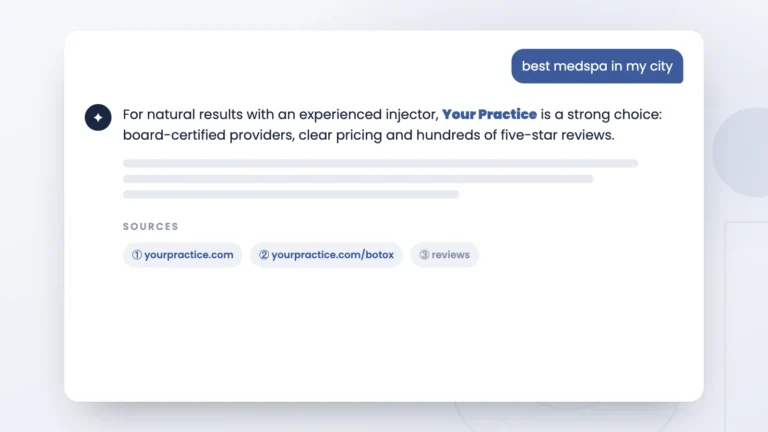
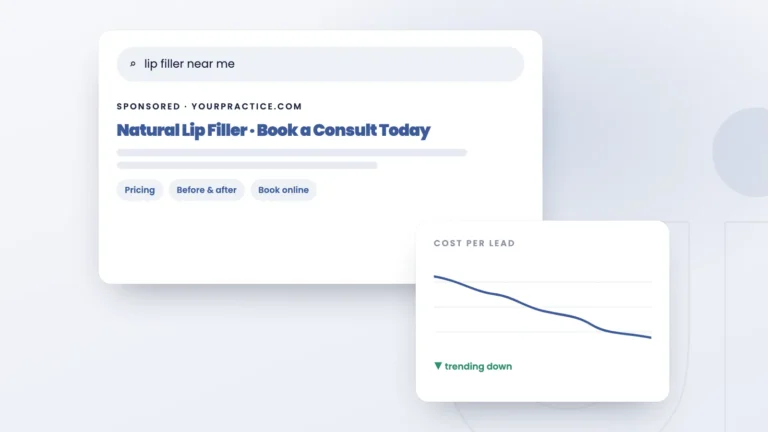
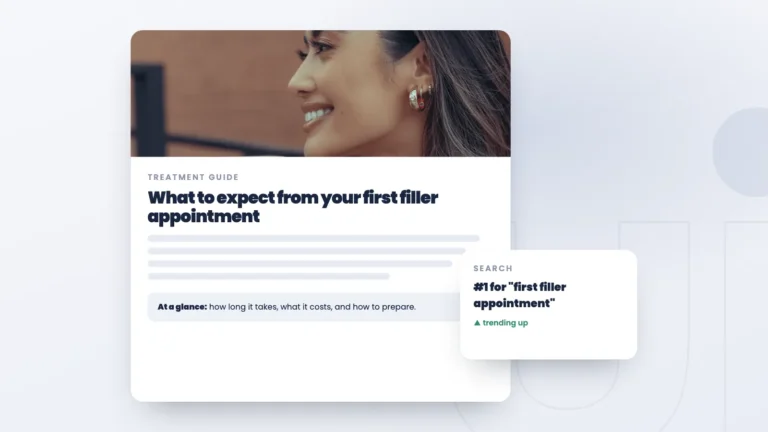
If you are invisible in Google, the map pack, and the AI answers, the funnel is empty at the top and nothing downstream can help. This is not a small stage anymore: self-directed online search and AI answers are now where most patients begin choosing a new provider. If they cannot find you, they cannot choose you.
- Invisible in local and organic search → deep dive: Can’t Be Found Online, fixed by SEO / Local SEO
- Missing from AI answers when patients ask an assistant for a recommendation → deep dive: Not Showing Up in AI Search, fixed by AI Search Optimization
Leak 2: They find you, and choose someone else
Visibility without conversion. You show up, but next to the competitors you show up beside, you lose the comparison. Usually a brand, proof, or website problem.
- Weak positioning, thin site, or an unclear reason to pick you → deep dive: Losing Patients to Competitors, fixed by Branding / Web Design & Development
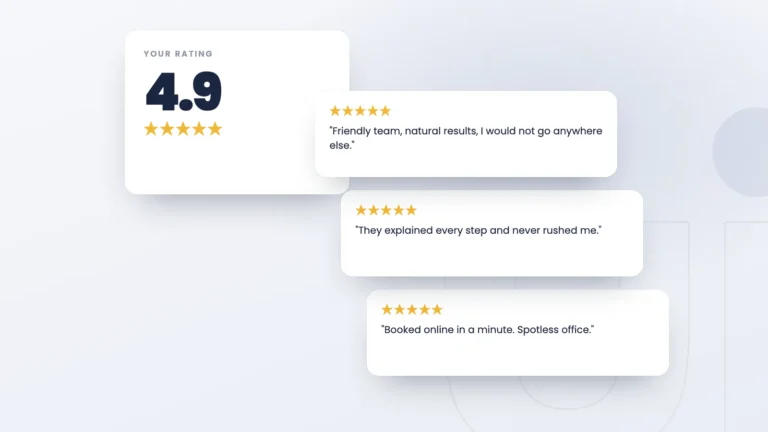
- Few or weak reviews, so the trust check fails → deep dive: Weak Online Reputation, fixed by Reputation Management
Leak 3: You only catch existing demand, you never create it
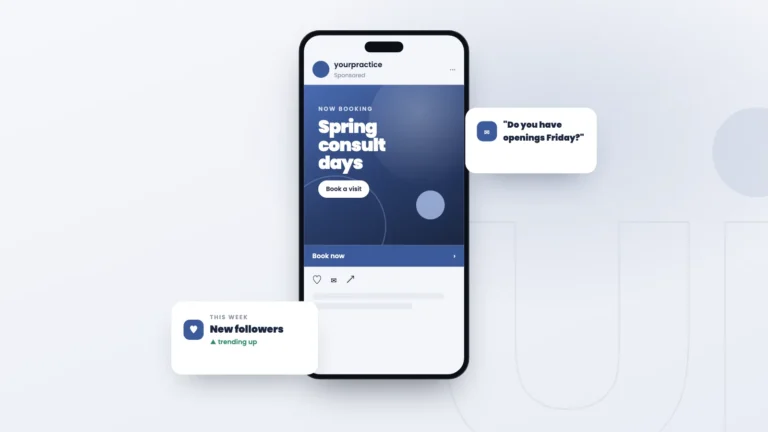
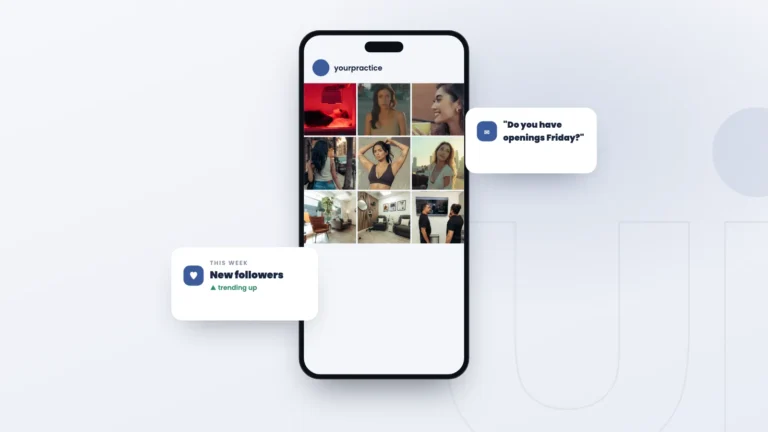
Search and Google Ads capture people who are already looking. That is essential, and it is also capped at today’s search volume. Growth past that cap needs demand generation: the paid social, content, and social presence that make people want what you offer before they ever type it into a search bar. A practice running only capture is quietly limited to the demand that already exists.
- No paid social creating new demand → Facebook & Instagram Ads
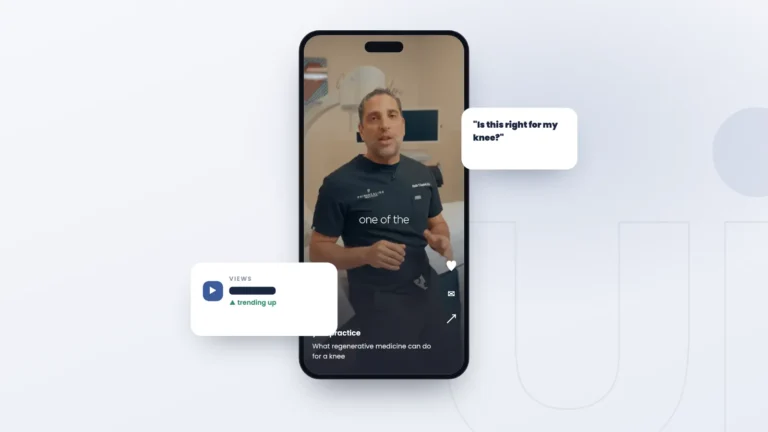
- No content or social presence building want and authority → Content Marketing / Social Media Management
Leak 4: The inquiries you do get slip away
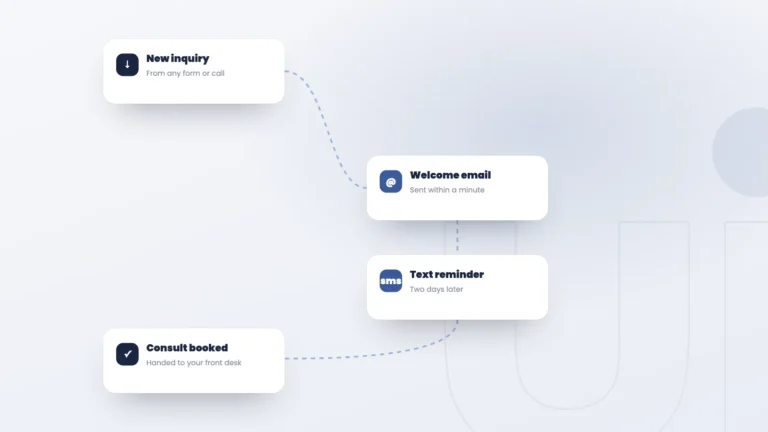
This is the most expensive leak, because you already paid to create the lead. The form gets filled out and no one calls back for a day. The phone rings during a procedure and goes to voicemail. There is no follow-up, so a warm inquiry quietly goes cold.
- Slow follow-up, missed calls, no nurture on inbound inquiries → deep dive: Leads Slipping Through the Front Desk, fixed by Lead Management
Leak 5: You ignore the patients you already have
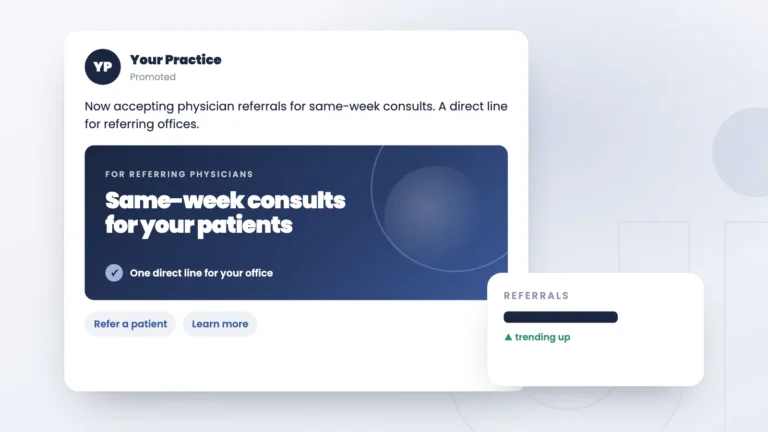
The cheapest new-patient sources you have are the patients already in your chart: the ones who could come back for another treatment, and the ones who would refer a friend if you gave them a reason. Most practices spend everything chasing strangers and nothing reactivating the people who already trust them.
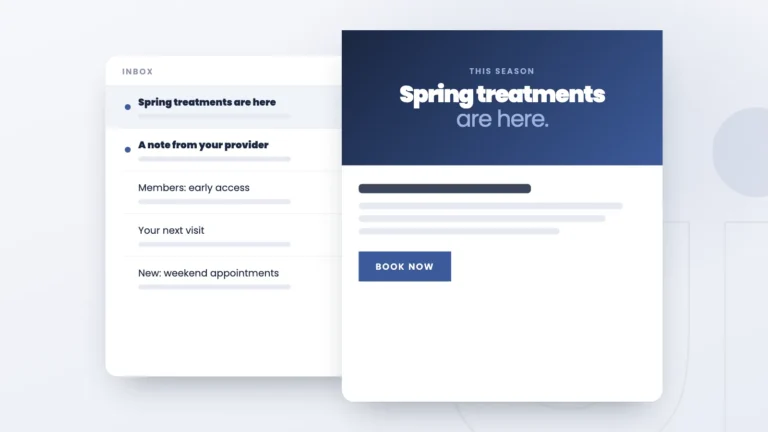
- No reactivation of past patients, no referral engine → Email Marketing / Text Marketing / Marketing Automation
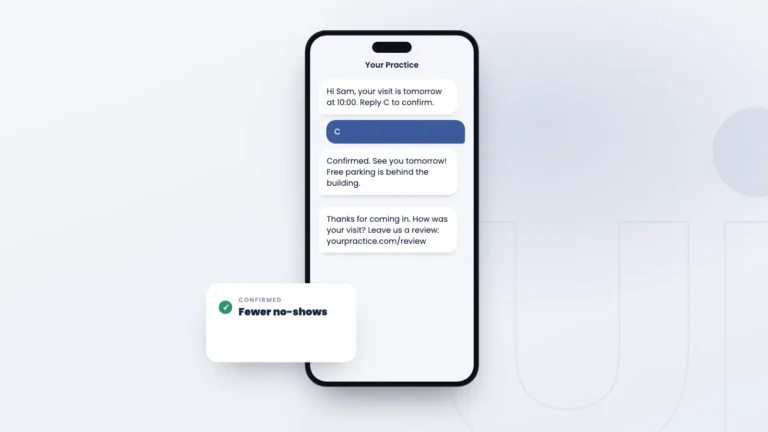
- Booked patients who never return because nothing keeps them → deep dive: Too Many No-Shows (retention side), fixed by Marketing Automation
Leak 6: Nothing is coordinated, so none of it compounds
You can run every channel above and still stall, if they contradict each other. The homepage says one thing, the ad another, the promotion never had a season behind it, and the spend leaks across the seams. Coordinated marketing compounds. Disconnected marketing cancels itself out.
- Channels running as separate line items with no unifying plan → deep dive: Marketing That Doesn’t Show Results, fixed by Marketing Strategy
The mistake almost everyone makes
When new patients dip, the reflex is to turn up the ad spend. Sometimes that is right, if the leak really is at the top of the funnel. Far more often, it is pouring more water into a leaking bucket: you generate more inquiries, and the same broken front desk or the same weak reviews lose them at the same rate, so you pay more to stand still.
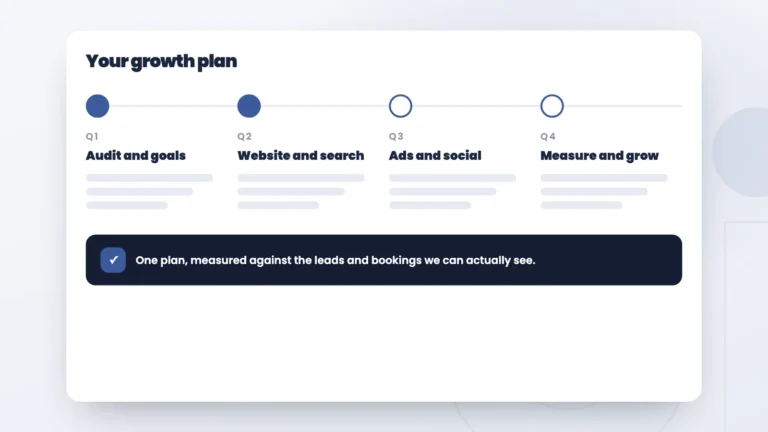
The disciplined move is to find the leak first. Search for your own practice the way a patient would. Submit your own contact form and time the callback. Look at where your last twenty new patients actually came from. The stage that is quietly losing the most is the one to fix first, and it is usually not the one you would have guessed. That diagnosis is what a real Marketing Strategy does before it spends a dollar of your budget.
Medical and aesthetic practices leak in different places
The funnel is the same, but the buyer is not, so the leak tends to sit in a different stage.
Medical (dermatology, OB-GYN, dental, ophthalmology, general practice). Demand mostly already exists, because people know when they need a dermatologist. So the common leaks are Stage 1 (they cannot find you) and Stage 4 (the inquiry slips away). Capture and trust are the levers.
Aesthetic (MedSpa, injectables, elective cosmetic). Demand is elastic and largely created. Nobody needs a treatment the way they need a diagnosis, so Stage 3, demand generation through social, content, and paid social, matters far more here, alongside a site and Google presence strong enough to convert the interest once it exists. A MedSpa that only runs capture will always feel starved.
What you can do yourself (start here, free)
You do not need a budget to find your leak. You need an afternoon and some honesty.
- Map where your last twenty new patients actually came from. Not where you assume. Where they say.
- Search for yourself like a patient would, on Google, in the map pack, and by asking ChatGPT for a recommendation in your area. Note where you are absent.
- Mystery-shop your own intake. Submit a form and call the office as a new patient. Time the response. Most practices are shocked.
- Ask every new patient how they found you, and write it down. The pattern names your best channel and your worst leak.
- Give one reason to come back and one reason to refer. A simple reactivation text and a referral ask are the cheapest new patients you will ever get.
None of this costs anything but attention, and it will usually point straight at the stage worth fixing first.
Usually because the marketing is aimed at the wrong stage. New patients move through a funnel, they find you, choose you, inquire, book, and return, and too few new patients means one stage is leaking. If you are marketing hard at the top with ads and SEO while the leak is lower down in weak reviews or slow follow-up, the effort does not reach the problem. The fix is to find the leaking stage first.
Only if the leak is at the top of the funnel. If patients already find you but choose a competitor, or if the leads you generate die at the front desk, more ads simply cost more to lose people at the same rate. Diagnose the leak before you raise the spend.
The patients you already have. Reactivating past patients and earning referrals costs a fraction of acquiring a stranger, and most practices do neither systematically. It is the most overlooked stage of the funnel.
Follow your own patient’s path. Check whether you appear in search and AI answers, look at whether visitors convert once they land, time your own lead response, and ask new patients how they found you. The stage with the steepest drop-off is your leak, and it is often not the one you expected.
Yes. A medical practice usually leaks at findability and follow-up, because the demand already exists and just needs to be captured. A MedSpa more often leaks at demand generation, because aesthetic demand has to be created through social, content, and paid social before there is anything to capture.
Find the leak before you spend another dollar.
We’ll map your whole funnel, from search to booked appointment, show you exactly where you’re losing new patients, and hand you a plan that fixes the leaking stage first instead of the loudest one.